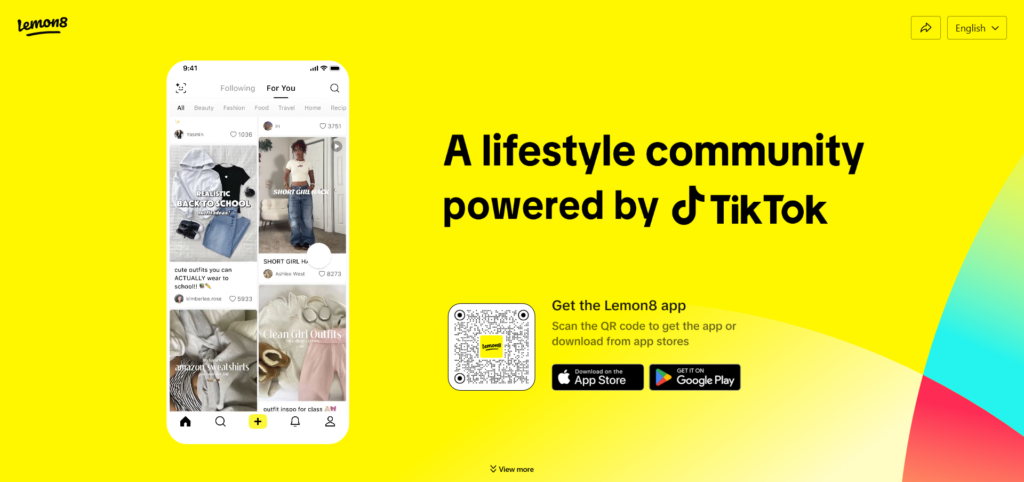
Lemon8, the new app on the market, has been quietly gaining popularity over the past few months. It’s one of those apps that feels new, but it’s actually backed by a very familiar company.
Lemon8 is created by ByteDance, the same company behind TikTok. While Lemon8 positions itself as more wholesome and lifestyle-focused, there are still important considerations parents should understand.
Let’s break it down
Lemon8 is a visual social media app mashup elements of:
Instagram (photos and curated posts)
Pinterest (aesthetic inspiration)
Blogging (longer captions and guides)
Users share lifestyle-style content such as:
Fashion and outfits
Beauty and skincare routines
Fitness and wellness tips
Food, recipes, and home décor
“Day in the life” or personal growth posts
At first glance, it feels slower and less chaotic than TikTok. But under the hood, it’s still a recommendation-driven social platform designed to keep users scrolling. Over the past few days of reviewing Lemon 8, we’ve already seen adult-related content and themes.

For teens, Lemon8 can feel:
Less noisy than TikTok
More “grown up” than Instagram
Easier to present a perfect version of themselves
Like a place to build an online identity around looks, routines, and lifestyle
This is where the real value of understanding Lemon8 comes in.
Just like TikTok, Lemon8 decides what users see based on:
What they like
What they pause on
What they interact with
That means:
Content can quickly narrow into a bubble
Beauty, body image, or “ideal lifestyle” posts can dominate
Young people may not realise how curated their feed has become
Parent takeaway: Even if content looks positive, over-exposure to idealised lifestyles can quietly affect confidence and self-esteem.
A lot of Lemon8 content revolves around:
Looks
Productivity routines
“Glow-ups”
Wellness and fitness goals
For adults, this might feel inspiring.
For teens, it can sometimes turn into:
Comparison
Perfection pressure
Body image anxiety
Parent takeaway: This is a good opportunity for conversations about real life vs online highlight reels.
At the time of writing:
Lemon8 does not offer robust, built-in parental control tools
There’s no dedicated parent dashboard like Snapchat’s Family Centre
Content moderation tools are largely user-driven
Parent takeaway: This is not a “set and forget” app. Supervision comes from conversation, not settings.
Because Lemon8 is owned by ByteDance, the same broader questions apply as with TikTok:
Data collection practices
Account information and engagement tracking
Location and device signals
While much of this is standard across social platforms, it’s still important for parents to:
Review privacy settings together (we always recommend this)
Talk about what information shouldn’t be shared
Encourage private accounts for younger users
Even without explicit material, some posts may include:
Diet culture
Weight-loss content
Sexualised fashion trends
“Adult lifestyle” themes
These don’t always come with clear warnings.
Parent takeaway: Discovery-led apps can surface content a child didn’t actively search for.
📱 Explore the app with your teen first
🔐 Set accounts to private where possible
💬 Talk about comparison, filters, and “perfect lives”
⏱ Keep an eye on time spent scrolling
👀 Encourage curiosity, not secrecy
Lemon8 is a good example of how social media is evolving into 2026 so it is a platform which is worth knowing about and having on your radar.
Digital literacy today isn’t about banning every new app.
It’s about helping young people recognise influence, pressure, and persuasion — even when it comes wrapped in pastel colours and productivity tips.
As always, the most powerful tool isn’t a setting in an app or a parental control
It’s an open conversation. 💬
If you would like further help
👉 Download the Parents App for clear step by step guides and practical support
👉 Book a one to one session with me to help with any questions or guidance you might need
You don’t have to figure this out alone. 💛
Remember to share it with your family & friends.





Business, Career & Life Podcast